This glossary talks about terms that can help us to understand the importance of giving feedback to students.
Accuracy
noun
The ability to do something without making mistakes.
Example: He challenged the accuracy of the research results.
es: Precisión
Audio
feedback
noun
It is the use of the sound-recording tool on a mobile
phone or laptop, or a more specialized audio recorder like
Vocaroo or Audacity, allows for more extensive feedback.
Example: Technological material as videos, audios, series, ect.
es: Retroalimentación con audio
Automated feedback
noun
It is a system where learners copy and paste
a text they have written into a box and receive a grade
for their work, along with suggestions for improvement.
es: Retroalimentación automática
Cognitive differences
noun
People with cognitive differences often take longer to complete academic tasks than people with typical cognitive function and can have difficulty focusing.
Example: Such as language learning
aptitude and working memory, will also play a role.
es: Diferencias cognitivas
Collaborative writing
noun
Where two or more learners work
together to produce a jointly composed text, necessarily
entails considerable amounts of peer feedback.
es: Escritura colaborativa
Conferencing
noun
Approach where feedback is given on
a portfolio containing several pieces of a student’s work.
es: Conferencia
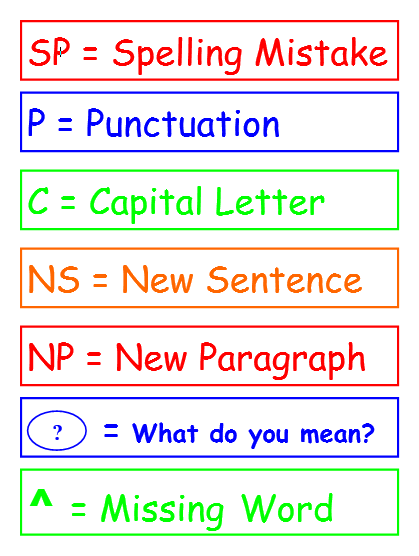
Correction code
noun
It is used to show learners what kind of mistakes they have made in written work.
es: Código de corrección
Corrective feedback
adj
The objective is usually to facilitate improvements in a learner’s accuracy.
Explicit feedback
noun
The teacher provides
a corrected reformulation of an error often requires the
learner to repeat the correction, especially in feedback
on speaking.
Feedback
noun
It is the information that a learner receives about their language learning and most commonly refers to information about their language production (speaking and writing).
Example: On the other hand, the provision of FEEDBACK to English Nature as an individual scientist with professional knowledge is also an important aspect to improve the effectiveness of English Nature as a lead of conservation practitioner.
es: Retroalimentación
Feedback on spoken language
noun
Teachers may choose
to wait until the end of an activity or to correct errors
immediately.
Feedback sandwich
noun
It is a method where positive feedback is presented first,
followed by more critical comments, before being rounded
off with more positive feedback.
Formative feedback
adj
Information that is intended to help the learner in some way, given continuously during learning.
Global errors
noun
Those which interfere
with comprehension, rather than ‘local
errors’, which do not affect intelligibility.
Example: Errors that are made frequently by the
student(s), rather than infrequent error types.
Indirect approach
noun
It is used when you think your audience may reply with disappointment, annoyance, or defensiveness, or maybe you're not even sure how they will react to your idea.
es: Enfoque indirecto
Indirect feedback
noun
Requires learners to self-correct, would seem to offer more potential for
learning.
es: Retroalimentación indirecta
Individualized oral feedback
noun
The focus of this feedback can relate to the skills, behaviours, attitudes and knowledge an individual within a group articulates.
es: Retroalimentación oral individual
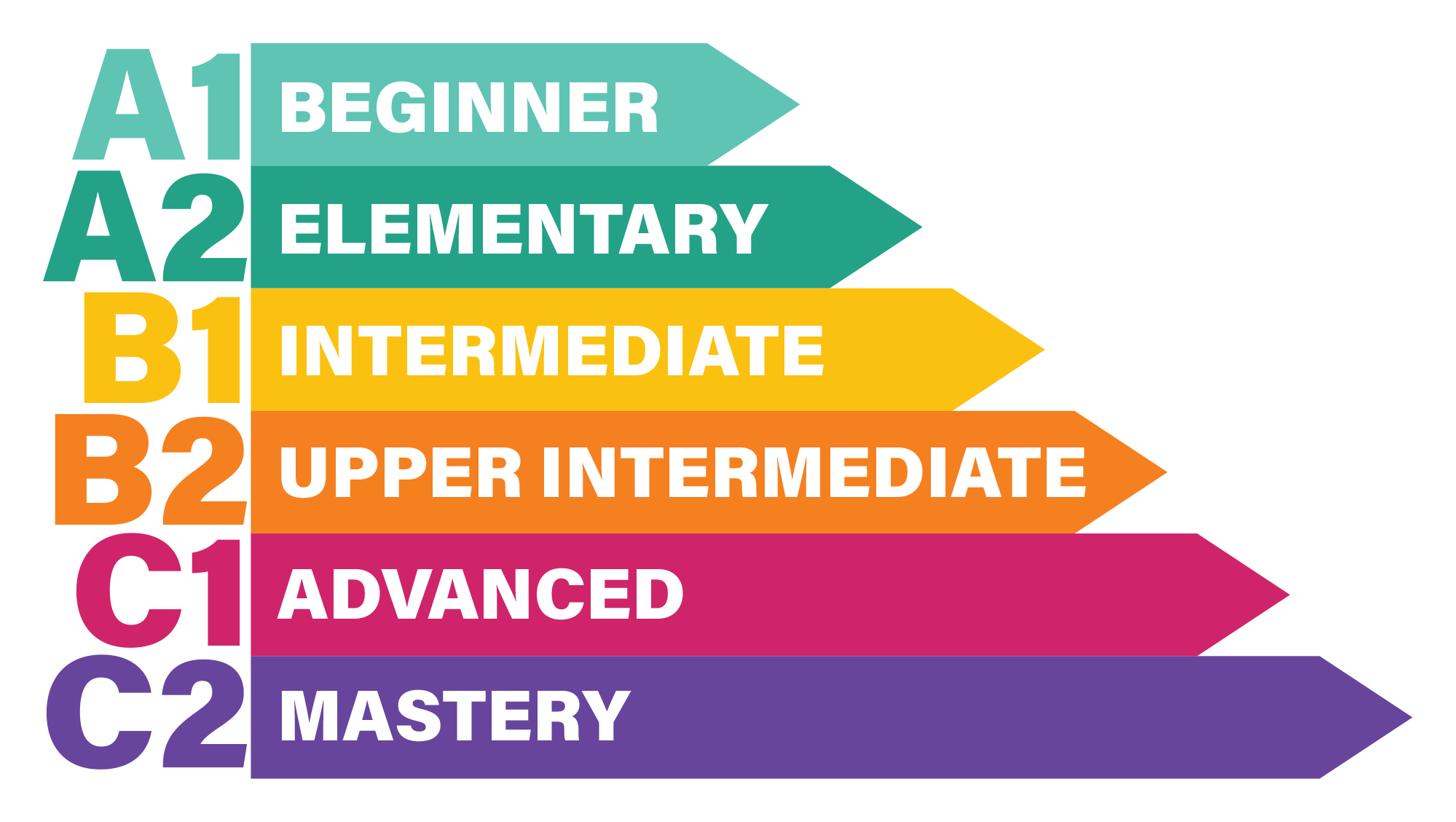
Language proficiency
noun
Receptive and expressive language skills, syntax, vocabulary, semantics, and other areas that demonstrate language abilities.
es: Dominio del idioma
Learning goals
noun
They are intended purposes and desired achievements of a particular course, which generally identify the knowledge, skills, and capacities a student in that class should achieve
es: Metas de aprendizaje
Lesson planning
noun
It is a teacher's daily guide for what students need to learn, how it will be taught, and how learning will be measured.
Example: It helps teachers be more effective in the classroom by providing a detailed outline to follow each class period.
es: Planeación
Non-verbal behaviour
adj
They are facial expressions, eye movements, body postures, may also be used by
teachers to soften the directness of feedback.
Example: Effective communication in health and social care settings requires professionals to be able to analyse their own and other people's NON-VERBAL BEHAVIOUR as well as verbal
es: Comportamiento no verbal
Peer feedback
noun
It is where one learner gives feedback to
another.
Example: Have a conversation with a partner or interview each other.
es: Retroalimentacion en parejas
Speaking strategies
noun
They are such as checking understanding, buying time or self-correction.
es: Estrategias al momento de hablar
Stigmatizing errors
noun
Errors that are specific to the kind of spoken
interaction that students are engaged
in, or to the genre of text they are writing
(such as degrees of formality).
Summative feedback
adj
An evaluation, typically given by a score, of a student’s work or at the end of a period of study.
Survival English
noun
Essential English someone needs to know in order to survive – live or work – in an English speaking environment.
Example: When someone orders in a restaurant.
es: Inglés básico-Inglés de superviviencia
Task
noun
A piece of work to be done, especially one done regularly, unwillingly, or with difficulty.
es: Tarea
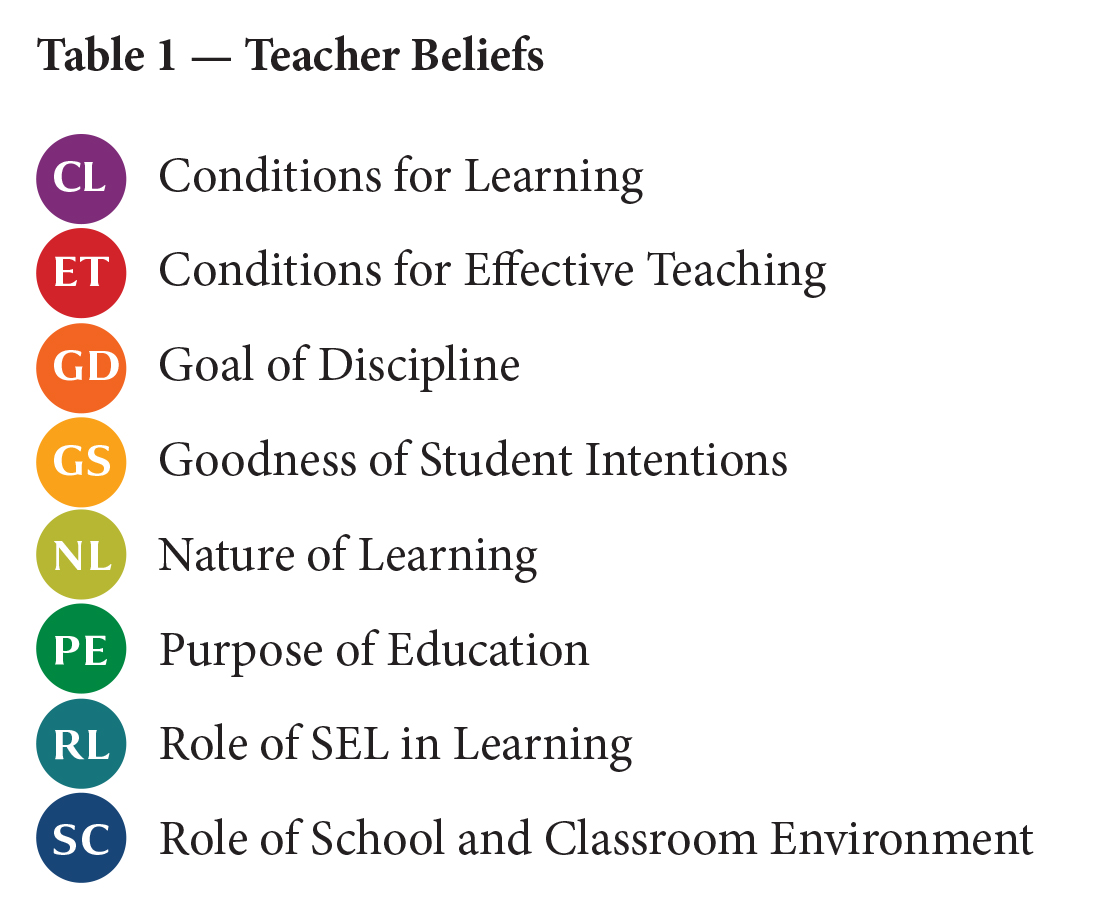
Teacher beliefs
noun
Personal constructs that can provide understandings, judgments, and evaluations of teachers' practices.
Example: Feedback approaches
es: Creencias del maestro
Text-based feedback
noun
It is delivered by means of a word
processor, such as Microsoft Word or Google Docs, where
textual annotations (underlining, highlighting), comment
boxes, footnotes, tracked changes and the possibility
of comparing two documents are possible.
Example: Use of technology
es: Retroalimentación basada en textos
Written feedback
noun
Provides students with a record of what they are doing well, what needs improvement and suggested next steps.